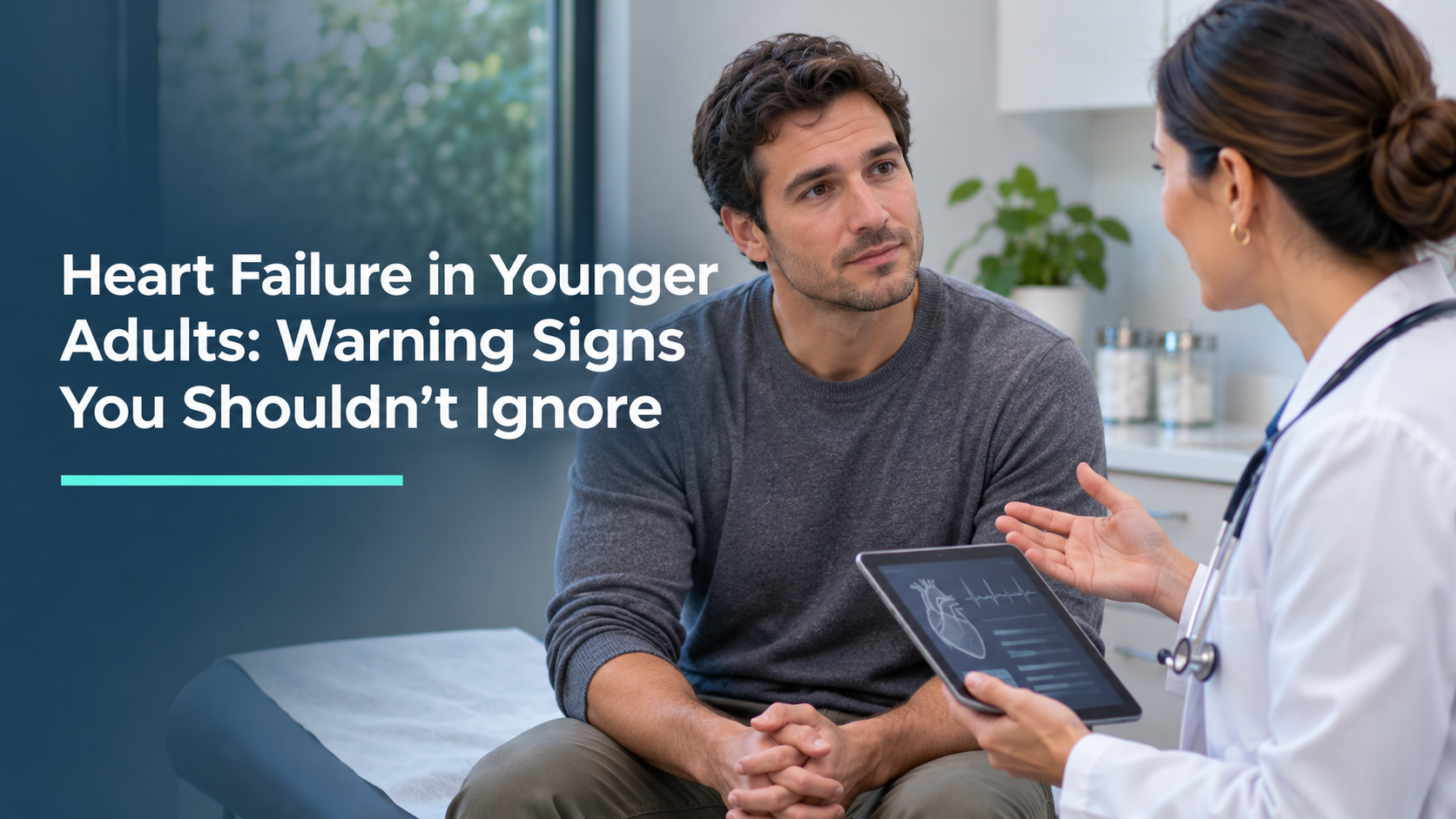
Heart failure is often associated with older adults, but recent research suggests that more younger and middle-aged adults are being hospitalized for this condition.
A national study examining U.S. hospitalizations from 2010 through 2022 found increasing heart failure hospitalization rates among adults younger than 65, even as rates declined among older adults.
These findings reinforce the importance of paying attention to heart health at every age.
What Is Heart Failure?
Heart failure occurs when the heart cannot pump enough blood to meet the body’s needs or has difficulty filling properly.
Despite the name, heart failure does not mean the heart has completely stopped working.
It is a chronic medical condition that can range from mild to severe.
With appropriate treatment, many patients can manage symptoms and maintain an active lifestyle.
Why Are Younger Adults at Risk?
Heart failure can develop for several reasons.
Potential contributing factors include:
- High blood pressure
- Coronary artery disease
- Diabetes
- Obesity
- Heart muscle disease
- Certain inherited heart conditions
- Some viral infections
- Excessive alcohol consumption
- Certain medications or cancer treatments
Some people develop heart failure despite having few traditional cardiovascular risk factors.
Warning Signs to Watch For
Early heart failure symptoms can be subtle and may be mistaken for stress, poor fitness, or normal fatigue.
Symptoms may include:
- Shortness of breath during normal activities
- Unusual tiredness
- Swelling in the feet or ankles
- Difficulty breathing while lying flat
- Waking at night feeling short of breath
- Persistent coughing or wheezing
- Rapid or irregular heartbeat
- Unexplained fluid-related weight gain
These symptoms can have many causes, but persistent or worsening changes deserve medical evaluation.
How Is Heart Failure Diagnosed?
Your healthcare provider may recommend testing based on your symptoms and risk factors.
Evaluation can include:
- A physical examination
- Blood pressure measurements
- Blood tests
- An electrocardiogram (ECG)
- An echocardiogram to assess heart structure and function
- Additional imaging or specialist evaluation when appropriate
Early diagnosis can help identify underlying causes and guide treatment.
How to Protect Your Heart Health
Many cardiovascular risk factors can be managed through preventive care and healthy habits.
Helpful steps include:
- Monitoring blood pressure
- Managing diabetes and cholesterol
- Maintaining regular physical activity
- Eating a balanced, heart-healthy diet
- Avoiding tobacco
- Limiting alcohol
- Managing sleep disorders
- Following prescribed medications
- Attending routine medical appointments
Patients with a strong family history of heart disease should discuss their individual risk with a healthcare provider.
When to Seek Immediate Care
Sudden, severe shortness of breath, chest pain, fainting, or severe difficulty breathing requires emergency medical attention.
Do not wait for a routine appointment if these symptoms occur.
Heart failure can affect adults well before retirement age.
Recognizing symptoms, managing cardiovascular risk factors, and seeking timely medical evaluation can make a meaningful difference.
If you have persistent fatigue, unexplained swelling, or shortness of breath, speak with your healthcare provider about whether further evaluation is needed.